


A Free Win for Governors: If They’ll Take It
There is a gamechanger coming to K-12 education in America – if states take the chance. Twenty-nine states have now opted in to the Education Freedom Tax Credit (EFTC) through various paths. The EFTC, possibly the best-kept secret in last summer’s reconciliation bill, allows every taxpayer with a federal tax liability to donate to support education and receive a dollar-for-dollar tax credit of up to $1,700.
Starting in 2027, taxpayers can receive a tax credit for contributing to scholarship granting organizations (SGO). The SGOs, in turn, provide scholarships for K-12 students with the potential to help across educational makes-and-models, including helping families afford the education that best fits their child.
While federal taxpayers in any state are eligible to donate to an SGO and receive the tax credit, only students in states that opt in will be eligible to receive a scholarship. The icing on the cake is that these EFTC credits and scholarships will have no effect on federal, state, or local education budgets.
Everyone wins if governors do the right thing: taxpayers, students, and states. The rub: minors will support SGOs, either in their home state or crossing state borders, if they must. That’s why it’s incumbent that all governors opt in, or else they will effectively deny their constituents’ children the opportunity to benefit from those scholarship dollars.
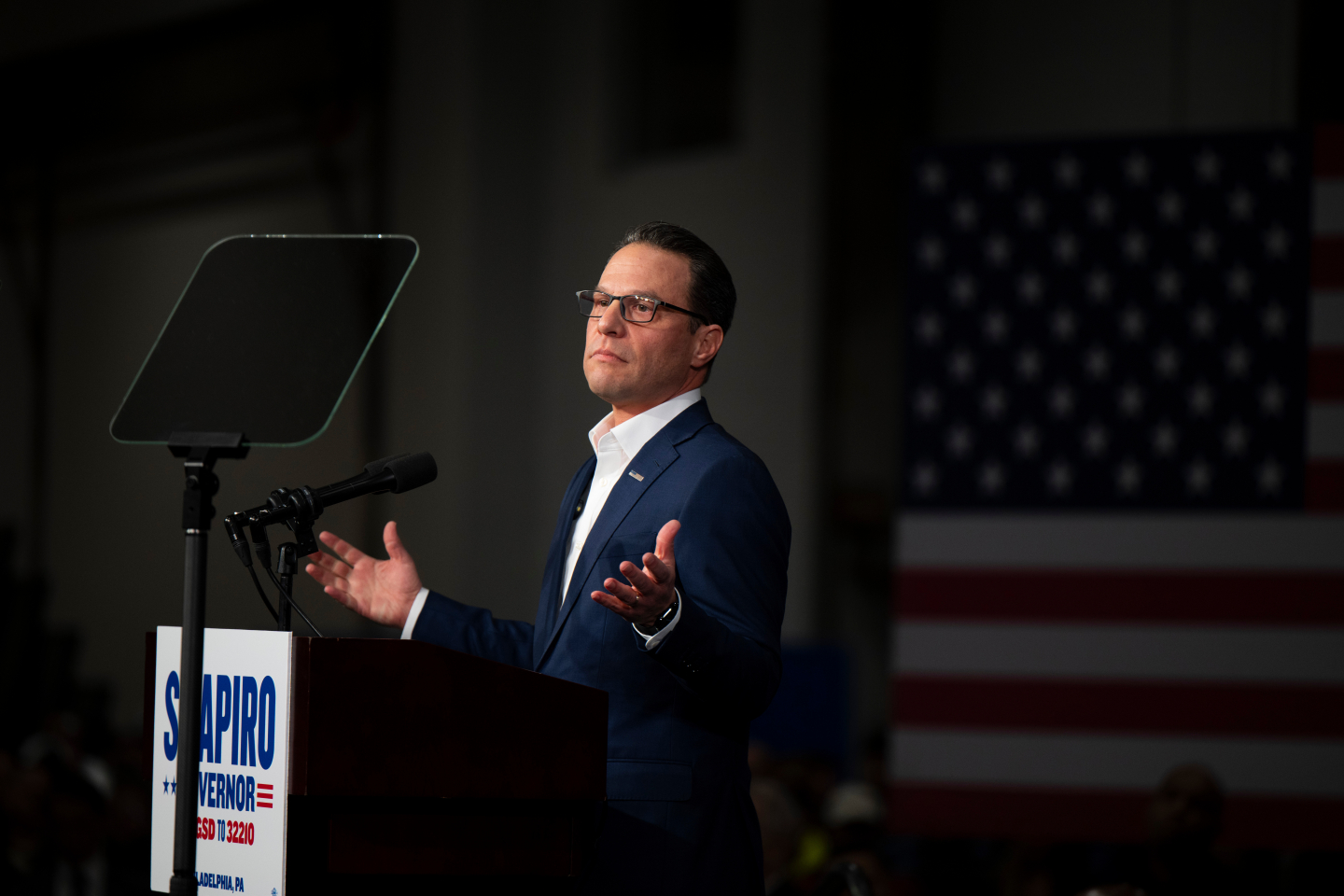
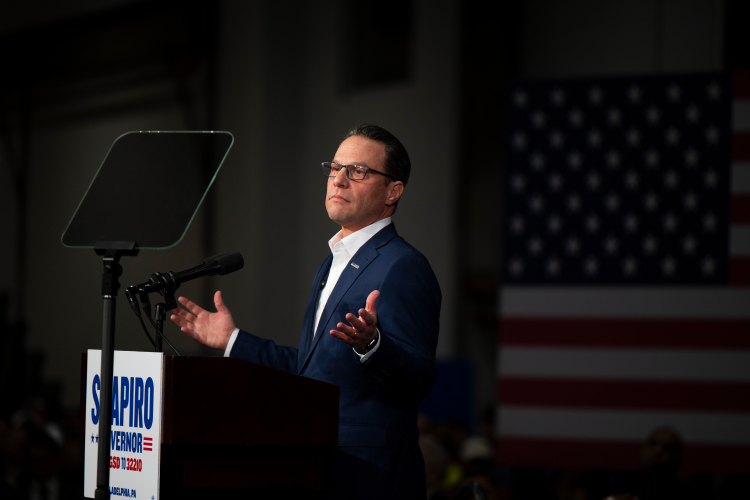
There is enormous opportunity cost to students if states do not opt in. Pennsylvania, for instance, could forgo an estimated $2 billion in scholarships over three years unless Governor Josh Shapiro acts. For governors, EFTC represents a rare opportunity for a massive, free political and policy win. There is only upside for their state.
From a state governance standpoint, the opt in decision should be an automatic yes. The sole practical effect of neglecting to opt in is to guarantee that in-state donations will flow out of state and benefit out-of-state students. Nonetheless, most opt-ins to date come from red-state governors.
The list of blue-governed states currently opted in is thin, comprising only Colorado, Kentucky, and Kansas. Governor Jared Polis decisively led the way, saying “In Colorado, we trust the parents.” Polis is forging a different path that more closely follows what voters actually want.
Others should eagerly follow, but unfortunately, Governors Andy Beshear and Laura Kelly, to the detriment of Kentucky and Kansas families, were not as forward-thinking. Fortunately, Republican legislatures in both states acted to opt the states in despite their governors’ opposition. North Carolina may soon follow, with Governor Josh Stein’s veto potentially on the line in an upcoming override session. Families will notice if their governors act to expand or restrict opportunity.
Shapiro, a rising national figure, has a prime opportunity to lead on this issue. While other governors stand passively by, watching free dollars for education flow out of state, Gov. Shapiro can set a strong example by carving a more student-centered path.
Pennsylvania is regionally and economically significant. Gov. Shapiro’s opt-in could encourage governors in nearby states like New York, New Jersey, and Maryland to show courage and follow suit. Each of these shares a border with the Keystone state, and each have demand coupled with unmet student needs, just as Pennsylvania has student waitlists in the thousands for its charter schools and private scholarships.
Parents intensely desire and deserve educational options for their children. Federal scholarships can mitigate multiple issues simultaneously. Such issues include reducing the number of waitlisted kids, empowering low-income parents to choose private school, delivering therapeutic options to children with special needs, and more.
The EFTC is solidly in place for the duration. Taxpayers in every state will have the option to donate and to receive the associated tax credit. It is up to the governors whether their states’ children benefit, an opportunity they would be ill-advised to miss.
Governor Shapiro has repeatedly said some version of the following: “I believe every child of God deserves a shot… one of the best ways we can guarantee their success is making sure every child has a quality education.” He can make good on these words by opting in, with all deliberate speed, to ensure EFTC-funded scholarships are available to Pennsylvania families.
