


As Illiberal Anti-Israel Protests Continue, Let Dartmouth Serve as a Shining Example

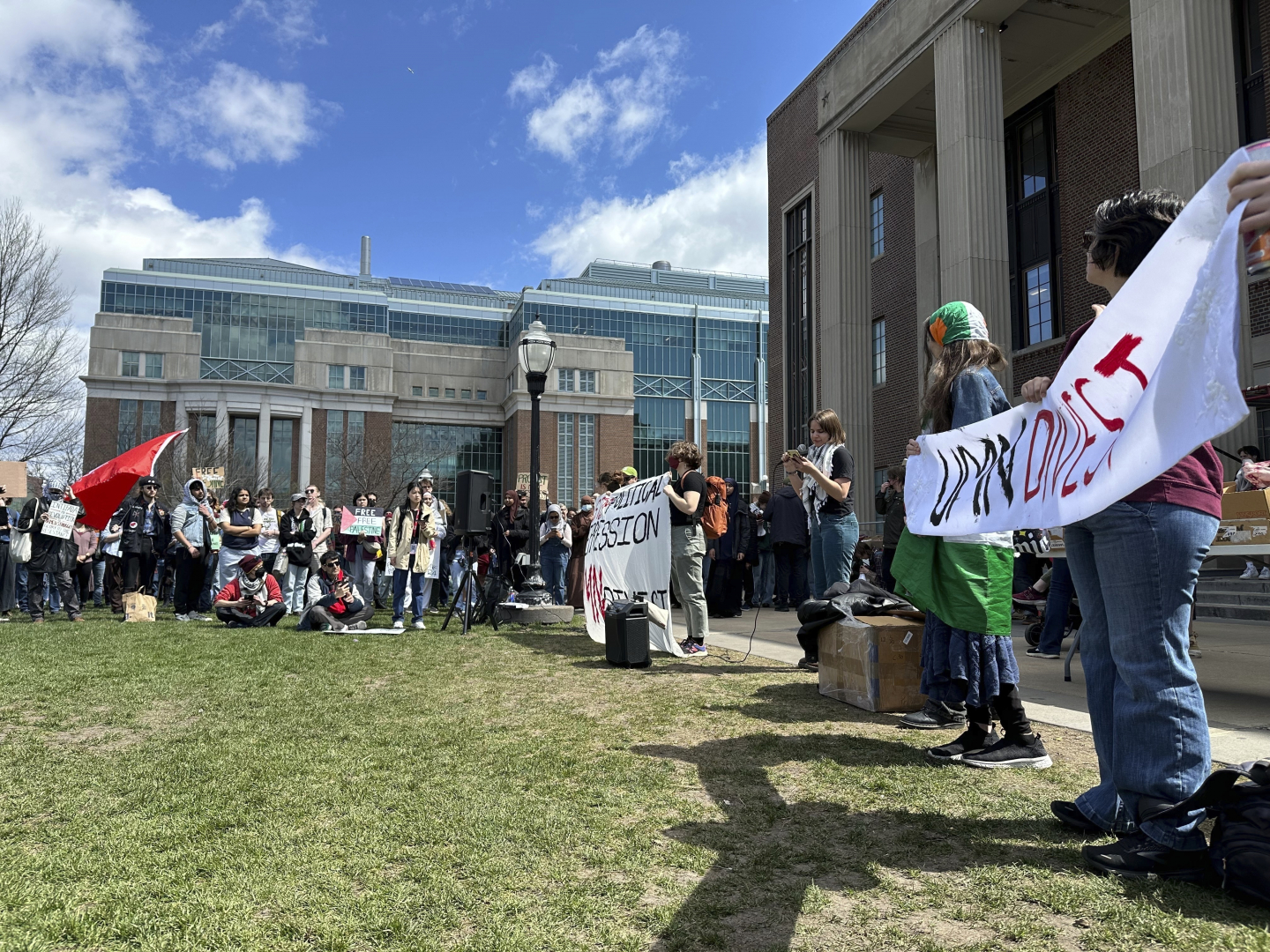
Last week, campus anti-Israel protesters were at it again, this time at the University of Minnesota, where a group of students barricaded themselves inside a university building and announced their plan to hold it until their demands were met or until forcibly removed. According to the university, the students spray-painted security camera lenses, broke interior windows, and blocked entrance and exit points. It ended with police entering the building and arresting 11 protesters. They were all released, but at least one of them is facing charges.
It was a stark reminder of campus protests that occurred last spring when illiberal anti-Israel encampments rocked college campuses across America. Many of these encampments instituted ideological purity tests, blocking fellow students from entering sections of their own campus and shouting down people making counterarguments. By now it should be clear to all that these protests and protests like them aren’t going anywhere, and that’s a real problem. Institutions of higher education should be places where the free exchange of ideas is welcomed and can thrive. While it behooves college administrators to protect the rights of students to peacefully protest, whatever their cause may be, it’s also their responsibility to protect students from threats of violence. When they neglect this duty, the federal government gets involved.
Colleges need examples of how to deal with pugilistic protesters. For that, they should look to the only Ivy League college that avoided being hit with a federal civil-rights investigation over its handling of allegations of antisemitism on campus in the wake of the October 7 terrorist attack.
Dartmouth College President Sian Beilock effectively balanced the rights of students to peacefully protest while protecting the rights and safety of students who were not participating.
The first thing to note was the speed with which Beilock responded to the developing protest. When an anti-Israel encampment began to take root, within hours, after an attempt at speaking with protesters failed, she called in the police to take it down.
It was the right move. Beilock rightly identified that these encampments at Dartmouth and all across the country sought to shut down dissenting opinion, not foster good faith conversation, and she would have none of it.
Following her decision to take down the encampment, Beilock issued a statement unpacking her decision. She explained, “Encampments on other campuses incited violent anger, horribly divided student bodies, created exclusionary zones, and attracted outside agitators. We have seen clearly over the last few weeks that, too often, encampments do not foster dialogue; they prevent it.” This is all true. While many participants in these encampments remained peaceful, however deeply misguided they were, others called for the silencing of diverging perspectives or even threatened violence.
According to the Times of Israel, a video taken from inside the encampment at Columbia University revealed students exclaiming that Zionists were “not allowed” inside their perimeter and to “go back to Poland.” Others called for violence more directly, voicing support for “10,000 October 7ths.” These were not isolated incidents. Khymani James, a spokesperson for the encampment at the time, posted a video online that resurfaced during the height of the protests. In the video, James declared that “Zionists don’t deserve to live.” As this antisemitism persisted, many Jewish students made the decision to leave campus out of fear for their safety.
The decision to shut down Dartmouth’s encampment was not contrary to the values of free expression. Instead, it was necessary to uphold these values. Similar encampments across the country sought not to have a good faith discussion about events in the Middle East, but to silence and intimidate those with another view, and even block the free movement of certain fellow students on their campus. It is the duty of academic administrators to protect the right of all students to speak and move freely on their own campus, not pick winners and losers. And while Beilock's decision was met with resistance from students and even some faculty, the intended effect is largely a success.
“Students know as soon as they pop up a tent, Hanover police will be there,” one Dartmouth graduate student told the Valley News. From his interview, you can tell he’s not thrilled by Beilock's decision, but his criticism reveals exactly why it was the right move. Students should have a right to peacefully protest and speak their minds, but they do not have a right to take over swaths of campus and set up exclusionary perimeters. Making it clear upfront that Dartmouth would enforce this policy kept the protests at Dartmouth from devolving into lawlessness.
The actions of protesters last week at the University of Minnesota is a reminder of what many believe they can still get away with. Beilock's decision to take down the encampment on her campus as it was taking root was not only the right decision in the precedent that it set to protect the free expression and movement of students, but also as a valuable life lesson. In a free society, people must learn how to interact and coexist with people who may not always see things the way they do. They cannot simply shout down those who disagree with them throughout life. Our institutions of higher education have a duty to facilitate an environment that protects these fundamental rights and teaches these critical lessons.
