


The Last Seminar
I teach my students to read Plato while their parents calculate the ROI on a philosophy degree. Seventeen years of teaching at a liberal-arts college have shown me both the beauty and limits of the old model. The liberal arts promise to cultivate wisdom, but wisdom alone no longer pays the rent.
Last year, a mother asked whether her daughter's thesis on rhetoric in ancient Athens had prepared her for anything "real." Her daughter later texted me that she'd been hired by a crisis communications firm specifically because she could explain why standard PR responses deepen public mistrust rather than restore confidence.
Kevin Carey's powerful essay in The New York Times on Wells College's shuttering is both elegy and warning. The disappearance of small colleges like Wells marks not just institutional failure but the erosion of a uniquely American idea: that education should form citizens, not just train workers. Carey is right that these schools anchored communities and offered pathways for overlooked students. But he misses a deeper truth: the liberal arts are collapsing not from financial strain alone, but from lost direction. The crisis isn't that students no longer value knowledge; it's that colleges have stopped proving why knowledge matters to the civic life of a free people.
Never have young people needed more desperately what liberal education offers. We're asking students to prepare for a world in permanent flux: democracy straining globally, pervasive social media with endless scrolling and access to information both real and fake, climate change demanding both technical innovation and moral imagination, AI rewriting the rules of knowledge work. Young people in 2025 need the tools the liberal arts can provide: the ability to think historically about unprecedented change, reason ethically about technological power, and imagine alternatives to inevitable-seeming systems.
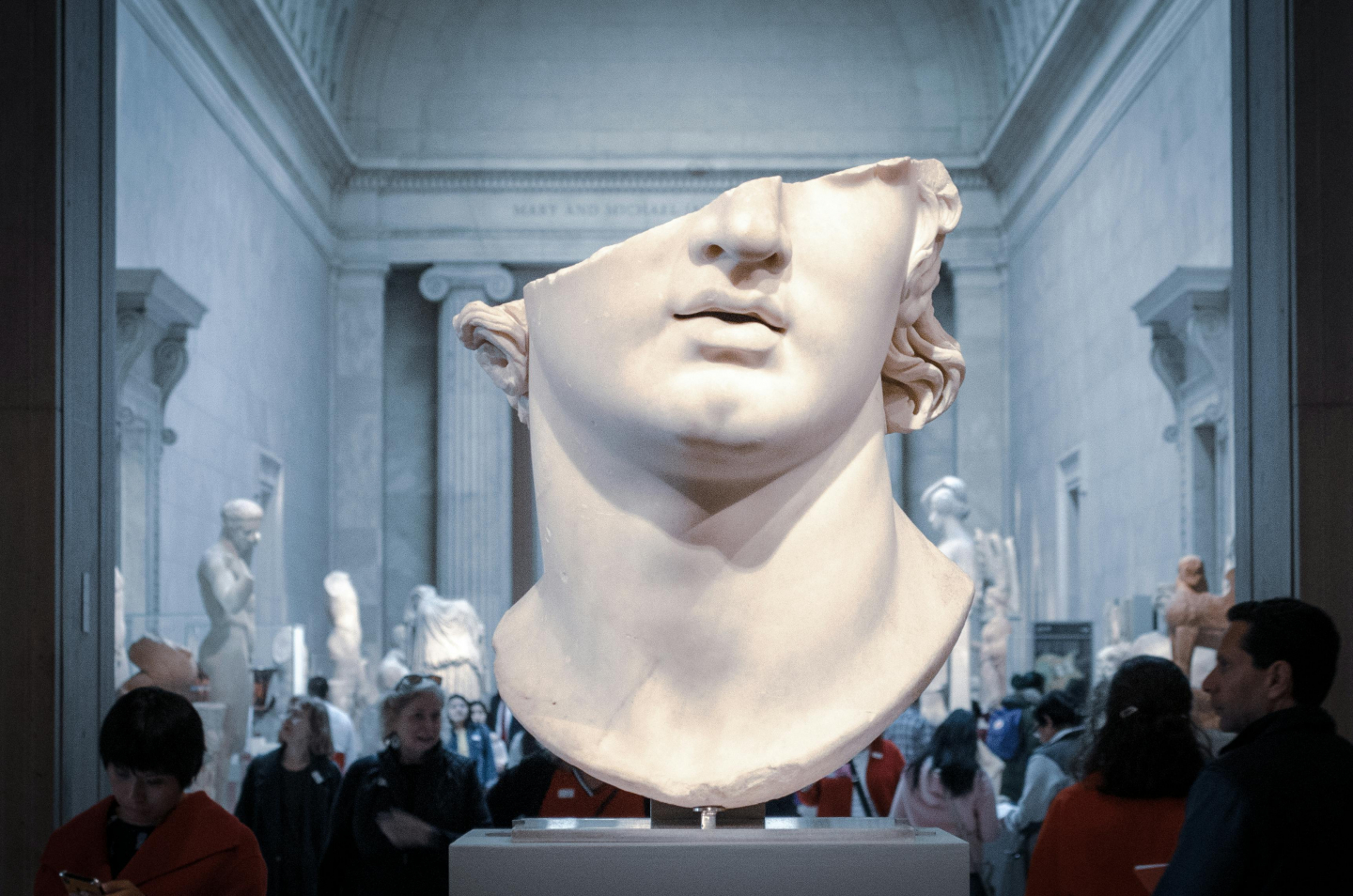
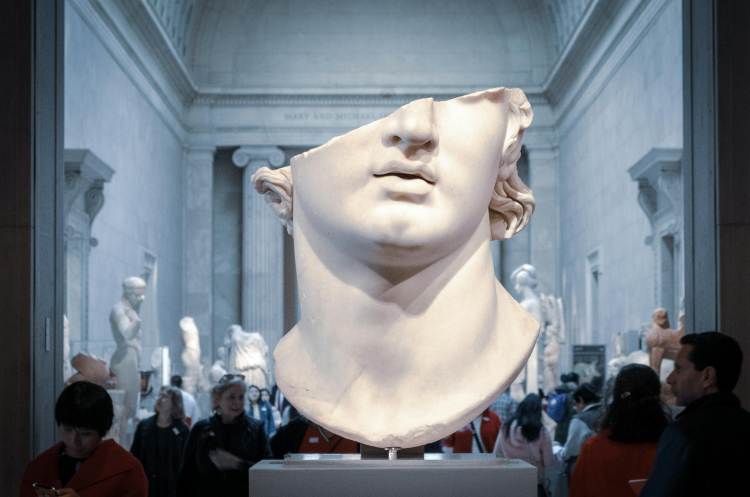
The ivory tower - separate, serene, devoted purely to ideas - was always fiction. Too many colleges turned inward, mistaking detachment for depth. They praise "critical thinking" but rarely explain what it's for. The result: a generation fluent in theory but unsure how to build, lead, or reconcile.
In an age when ChatGPT can write code and analyze datasets in seconds, the skills that remain uniquely human are precisely those the liberal arts cultivate. My computer science colleagues say their students can build anything, but struggle to ask whether they should. AI can optimize systems, but can't question whether those systems deserve to exist. Every Silicon Valley ethics crisis is, at root, a failure of liberal education - brilliant technical minds often unmoored from history, philosophy, and human wisdom.
I think of a first-generation student who took my seminar almost by accident. We spent weeks on Arendt's "Eichmann in Jerusalem," her meditation on how ordinary people become complicit in evil systems. Six months later, working at a social media company, my former student was asked to design an algorithm to suppress "misinformation." The company’s training data labeled mainstream conservative viewpoints about COVID policies and gun control as false. The system would silence half the political spectrum. He called me near tears: "It's Eichmann, isn't it? They're asking me to be the thoughtless cog." He refused the project and left to join a startup building transparent content moderation tools. When I asked if he regrets walking away from big tech money, he said, "Arendt taught me that thinking is a political act."
The consequences reach far beyond the minds of individual students on and off campus. Communities losing small colleges are losing churches, newspapers, and civic associations - institutions that train citizens in cooperation. Carey's proposed federal "college preservation act" would buy time, but without re-anchoring these schools in civic life, it would only preserve the façade.
The mission of liberal arts colleges must adapt. This generation needs education that integrates reflection with practice, links ethics to entrepreneurship, literature to leadership, and history to policy. Some schools are showing the way. At Denison University, philosophy majors code alongside computer scientists in "Ethics of AI" courses. Kenyon College's rural life initiative sends English students to document patient narratives in Appalachian clinics, teaching empathy through storytelling. These programs prove that Shakespeare and spreadsheets aren't enemies, but allies in forming complete citizens.
I still believe in the seminar table: the quiet room where young minds wrestle with big questions. But the table can't be an island. Students need to see that liberal arts aren't about escaping the marketplace or politics, but humanizing them.
When I look at my students, I see hope. They're idealistic and eager to make a difference. What they lack is a framework for translating learning into life: understanding that attention, empathy, and reason cultivated in college are necessities for citizenship, not luxuries.
The liberal arts will endure only if they again teach what democracy depends on: that the life of the mind is inseparable from the life of the citizen.
Last week, that mother contacted me again. Her daughter had been promoted at her strategic communications firm. She told me that "They needed someone who understood how language shapes reality."
The ivory tower is collapsing, and perhaps that's as it should be. What we're building isn't a tower but a bridge between contemplation and action, tradition and innovation, mind and world. Our students don't need refuge from reality. They need the intellectual courage to remake it.
