


School Choice Programs Are Only Scratching the Surface of Demand

School choice programs have exploded across the country in recent years, giving hundreds of thousands of families the chance to find an education environment that works for their children. From education savings accounts (ESAs) to scholarships and vouchers, states are beginning to move away from a one-size-fits-all approach to education.
Today, roughly 1.5 million students benefit from private school choice programs nationwide, compared to just several thousand around the turn of the century.
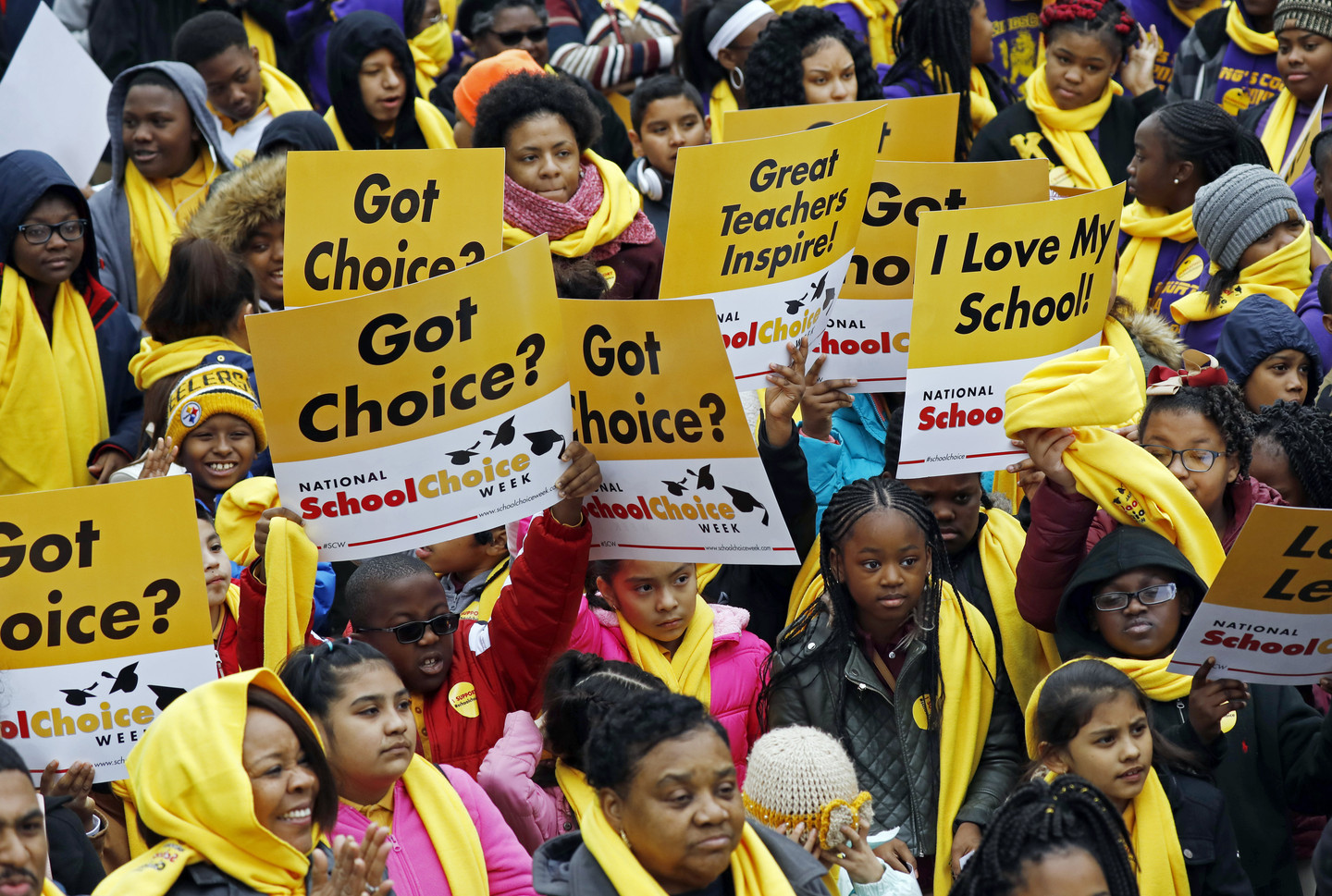
Yet even with this massive expansion, first-year application numbers and waitlists show us school choice programs are still just scratching the surface of the demand among families.
Southern states like Tennessee, Alabama, and North Carolina saw blockbuster enrollment during the first year of their new or expanded school choice programs. In many cases, waitlists popped up almost immediately, forcing families to delay plans they had already made for their children’s education.
This demand should not surprise policymakers.
EdChoice polling consistently shows that more than half of parents would prefer a school type other than a traditional public district school for their children. Yet nearly 80% of families still send their children to their local public school — often due to financial constraints.
When those barriers are reduced, families respond quickly.
Texas saw a massive influx of 42,000 applications on just the very first day applications opened in February for the state’s new Texas Education Freedom Accounts ESA program, launching this fall. Since then, applications have surged past 100,000.
Tennessee made 20,000 spots available for the Education Freedom Scholarship ESA last fall when the program began, but received over 42,800 applications.
Alabama approved over 23,000 students for its CHOOSE Act ESA this school year, the first year of the program, but received nearly 36,900 applications.
North Carolina provides a longer-term example of sustained demand. The state funded nearly 3,600 students through its Education Student Accounts (ESA+) program, a smaller program for children with disabilities, during the 2023-24 school year, but as of 2024, there were still more than 2,000 students on the waitlist. North Carolina also granted vouchers to nearly 79,400 students last school year after massively expanding the program the previous year. Prior to that, more than 54,000 students were on the waitlist.
Mississippi, the last southern state holding out on passing a broad school choice program, is now under pressure from parents to get something on the books as well that will allow them educational options outside the public school in their zip code.
These patterns tell a consistent story: school choice programs are not manufacturing demand. They are revealing it.
Families have always sought educational environments that reflect their children’s needs, learning styles, and values. What has changed is that states are finally giving more parents the financial ability to act on those preferences. When programs are capped too tightly or eligibility is too narrow, waitlists become inevitable.
Critics often complain that school choice programs are too costly, but in reality, they are often cheaper for the taxpayer. The most recent public school data (from 2022-23) revealed that public schools nationwide spend over $16,000 per student on average. On average, there is not a single school choice program that funds students to that level. In fact, the majority of private school choice programs spend less than $10,000 on average per student.
More importantly, school choice reframes education funding around students rather than systems. It recognizes that public education funding exists to educate children, not to protect institutional arrangements that may not work for every family.
As lawmakers consider the next phase of education policy, the lesson from these enrollment numbers is clear. Demand is strong, persistent, and widespread. Families are not asking for the elimination of public schools; they are asking for options.
Expanding eligibility, increasing funding capacity, and building programs that grow with participation are practical responses to clear evidence. States that treat school choice as a permanent part of their education landscape, rather than a limited pilot, will be best positioned to serve families in the years ahead.
Parents are speaking through their applications and waitlists.
It is time for policymakers to listen and to act accordingly.
