


The Department of Education is Wrongly Targeting Beauty Schools
The Department of Education is proposing a new rule that threatens to close 92% of beauty and wellness schools across the U.S.—eliminating career training for 150,000 students annually and devastating an industry that supports 1.3 million American jobs.
This isn’t just about haircuts and manicures. This is about the American Dream.
The beauty and wellness industry represents one of the last true pathways to middle-class prosperity for Americans from all backgrounds. Our schools train entrepreneurs who build thriving small businesses in every community. This female-dominated industry provides critical economic opportunities for women workers, and 85% of salon establishments have fewer than 10 employees—family-run businesses that form our country’s economic backbone.
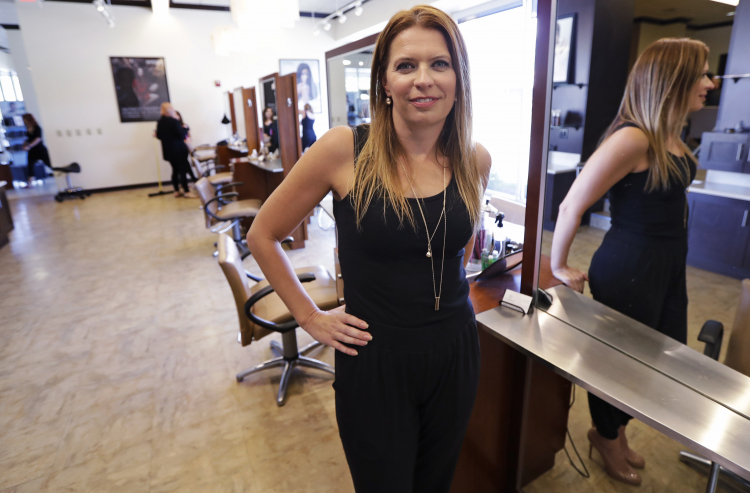
Stylists like Elizabeth Faye aren’t anomalies—they represent the entrepreneurial potential that beauty education creates for students at every level. The same foundational training that launches neighborhood salon owners also produces speakers, educators, documentary filmmakers, and international beauty industry leaders. This democratization of opportunity is what makes our industry uniquely American.
Yet the Department’s new “accountability framework” would destroy this opportunity by holding beauty school graduates to the same earnings standard as four-year engineering degrees. The Department’s own projections show that 92.5% of cosmetology programs and 89% of massage therapy programs would fail this test, losing access to federal student loans and grants.
Here’s what makes this outrageous: Congress specifically excluded these undergraduate certificate programs when it passed President Trump’s One Big Beautiful Bill Act. The law clearly states that accountability measures should apply only to “undergraduate degree, graduate or professional degree, or graduate certificate” programs. Beauty and wellness certificate programs were deliberately excluded.
But the Department is expanding the law beyond what President Trump and Congress intended, threatening to shut down a thriving industry. The beauty and wellness sector continues to show strong growth and consumer demand, creating opportunities for entrepreneurs and workers nationwide.
This flawed approach fails to account for industry realities: beauty professionals often work part-time hours, earn significant unreported tip income that schools cannot control, and need time to build clientele. The earnings comparison ignores these factors, creating an impossible standard.
Consider what’s at stake in your community: the barber who cuts your children’s hair before school starts, the stylist who helps high schoolers prepare for prom, the nail technician who brings dignity to seniors in nursing homes. From Madison Avenue to Main Street, you’ll see these businesses in every American community—essential fixtures that provide both employment and vital services families depend on.
The economic impact would be catastrophic. Tens of thousands of students each year would lose access to career training required for state licensing. Nearly 20,000 beauty school employees would lose their jobs. Entire communities would face professional shortages, driving up costs for essential services.
This represents the Department superseding President Trump’s commitment to supporting small business and American entrepreneurship. For over a century, beauty schools have provided accessible career training that doesn’t require four-year degrees or massive student debt. Our graduates become business owners, employers, and community leaders.
The Department has until May 20 to receive public comments on this rule. Republican lawmakers who championed the original legislation should demand the Department implement President Trump’s law as written—not expand it to destroy an industry that creates opportunity in every congressional district.
Beauty and wellness education isn’t a fallback option—it’s a launching pad. Our schools produce entrepreneurs who build generational wealth, create jobs, and serve their communities with pride. The Department of Education should support these pathways to the American Dream, not destroy them.
America needs more entrepreneurs, not fewer. Congress understood this when it protected our programs. The Department should follow the law and preserve these vital opportunities for workers and communities.
