


Have We Gone Too Far with Technology in Schools?
For years, many educators – including the two of us – viewed the rapid expansion of technology in schools as largely positive.
Schools invested heavily in laptops, tablets, learning management systems (such as Canvas), and digital curricula because the promise seemed obvious: better efficiency, greater access, and more modern learning. And for a while, that promise felt real.
Digital platforms made it easier for teachers to organize information, distribute assignments, communicate with students, and provide feedback. Teachers no longer had to lug home stacks of papers every night.
Yet, with any rapid transformation, the honeymoon phase eventually comes to an end. Our new national teacher survey data suggest something important is changing. Teachers are beginning to wonder whether schools have overcorrected.
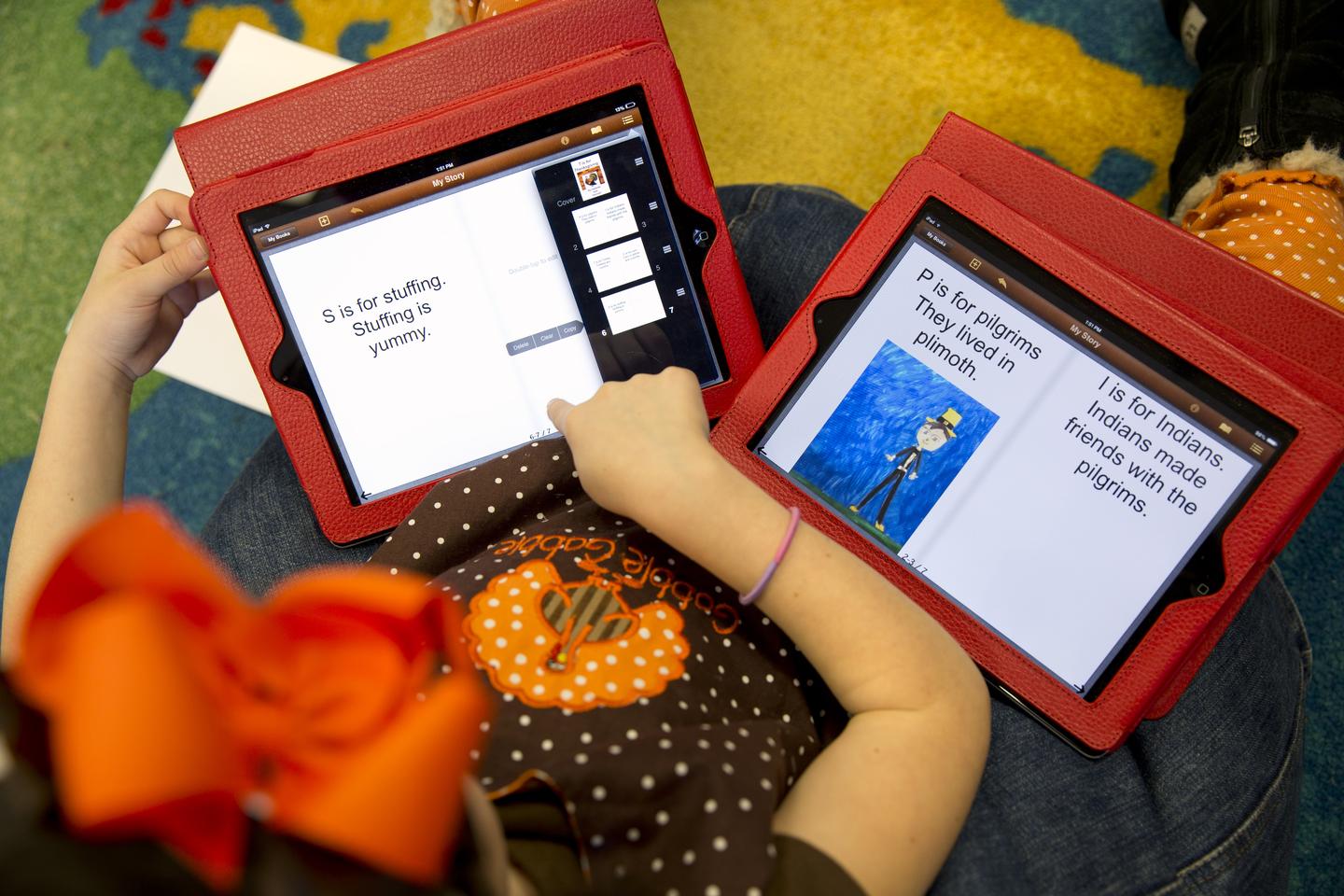
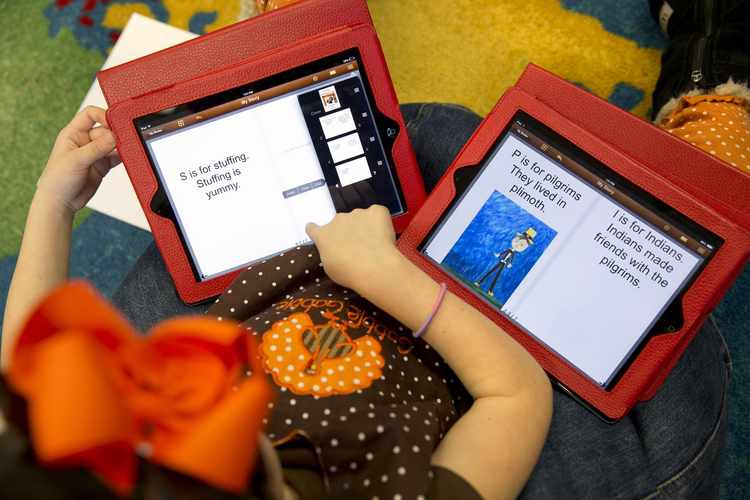
In our May 2026 survey of nearly 600 U.S. teachers, almost 85% agreed that students spend too much time on screens during class. That number alone is striking. But what teachers said about technology in the classroom may be even more revealing.
Unprompted, nearly one in six teachers explicitly called for a return to more paper-and-pencil learning.
American Federation of Teachers President Randi Weingarten recently issued a report that echoed much of what the teachers we surveyed shared, calling for fewer screens and more active learning in the classroom.
That matters because we never asked about handwriting, notebooks, or traditional instruction. We simply asked teachers about student screen time. Yet many respondents instinctively reframed the issue into a broader concern about what students may be losing in an increasingly digital classroom.
Again and again, teachers described students struggling to write for sustained periods without assistance from spell check or autocorrect. Others noted shorter attention spans, greater distraction, and difficulty maintaining focus when students are expected to work without screens.
Some teachers described classrooms where devices intended for instruction quickly became portals to games, videos, and messaging apps. Others worried that students increasingly associate learning itself with entertainment and constant stimulation.
These concerns do not exist in isolation. The exhaustion with classroom devices mirrors a broader pushback against digital distractions.
The same survey found overwhelming support for cell phone restrictions in schools. Among teachers already working in schools with cell phone bans, 91% supported the policy. Even among teachers without bans in place, more than three-quarters said they wished their schools would adopt one.
That level of consensus is rare in education.
Importantly, this does not mean teachers are rejecting technology altogether. Far from it. Most educators still see tremendous value in digital tools when used intentionally. Technology can improve communication, streamline grading, expand access to resources, and create opportunities for personalization that simply did not exist even a few years ago.
But many teachers now appear to be asking a more uncomfortable question: At what point does educational technology stop supporting learning and start competing with it?
The COVID-19 pandemic accelerated this conversation dramatically. During remote learning, schools understandably became dependent on screens. Devices became the backbone of instruction, assessment, collaboration, and communication almost overnight.
What began as an emergency adaptation, however, gradually became the default.
When nearly every task becomes digital, schools risk crowding out other forms of learning that still matter – sustained reading, face-to-face discussion, note-taking, and the ability to focus on a single task without constant digital interruption.
Educational trends often move in cycles. For the better part of two decades, schools raced toward greater technology integration. In many ways, that shift was necessary and beneficial.
But the teachers working closest to students every day are increasingly signaling that balance may have been lost somewhere along the way.
The solution is not abandoning technology. Nor is it romanticizing some pre-digital version of schooling. The solution is recalibration.
Cell phone bans appear to be one step in that direction. Reintroducing more intentional paper-and-pencil work may be another. Schools should feel comfortable asking whether every assignment truly needs to be completed on a screen – or whether some learning experiences are simply better without one.
Schools once feared students would fall behind without technology. Increasingly, teachers worry that students are falling behind because of it.
